Airlines and Their Operations
Airline operations can be broadly categorized into several types based on factors such as flight purpose, route structure, and business model. Here are some of the main types of airline operations:
1. Scheduled Airlines: Operate on fixed schedules, offering regular flights between designated airports.
2. Charter Airlines: Operate flights on a non-scheduled basis, often for tourist groups or special events.
3. Low-Cost Carriers (LCCs): Focus on minimizing costs and offering low fares, often at the expense of amenities.
4. Regional Airlines: Operate shorter routes, often connecting smaller airports to major hubs.
5. Cargo Airlines: Specialize in transporting cargo, rather than passengers.
6. Private Charter Airlines: Offer customized flights for individuals, groups, or corporate clients.
7. Aerial Work Airlines: Conduct specialized services like aerial photography, surveying, or medical transport.
8. Government Airlines: Operate flights for government agencies, military, or diplomatic purposes.
9. Supplemental Airlines: Provide additional capacity or services for other airlines, often on a short-term basis.
10. Virtual Airlines: Outsource operations to other carriers, focusing on marketing and sales rather than actual flight operations.
11. Hybrid Airlines: Combine elements from multiple models, like offering both low-cost and full-service options.
These categories are not mutually exclusive, and airlines may overlap or adjust their operations as needed. This overview provides a starting point for exploring the diverse landscape of airline operations.
Operational Strategies
POINT TO POINT
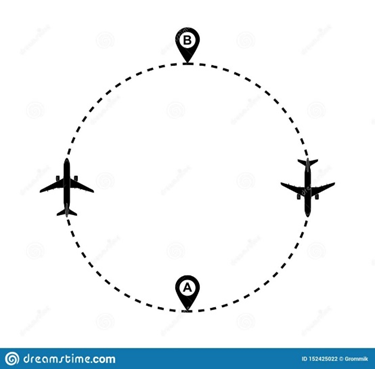
The Point-to-Point model is a little different from the hub-and-spoke model. Instead of flying lots of flights into and out of one or two major airports, the point-to-point model emphasizes flying between two cities directly, regardless of size. See the diagram below.
HUB AND SPOKE
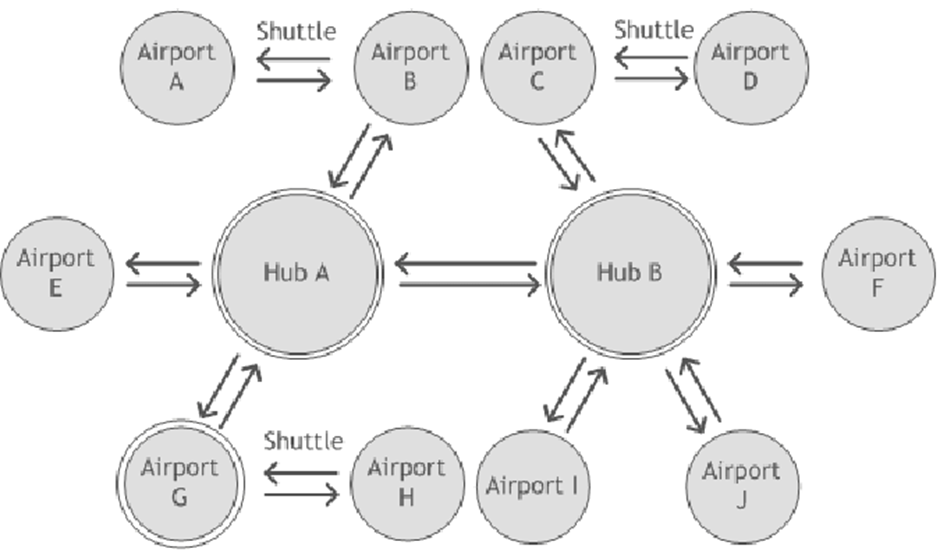
A hub is a central airport that flights are routed through, and spokes are the routes that planes take out of the hub airport. Most major airlines have multiple hubs. They claim that hubs allow them to offer more flights for passengers. See the diagram below.
Type of Airlines
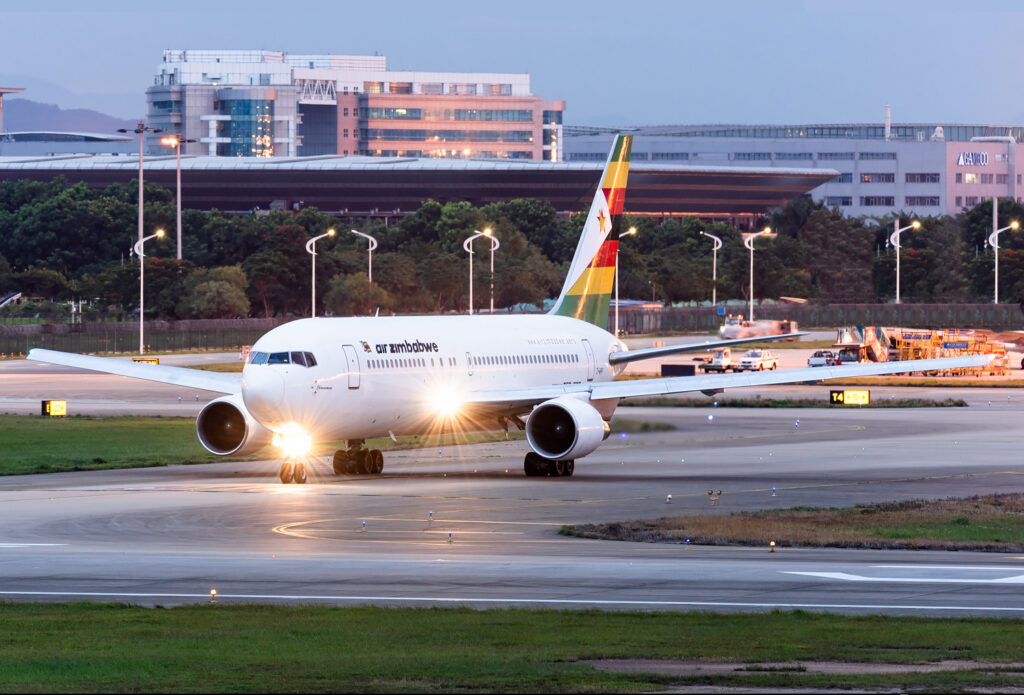
Airlines are companies that operate aircraft for commercial travel. There are different types of airlines, and these are, Low-cost airlines, regional airlines, legacy airlines, and Charter airlines. In their operations airlines divide them into two which are cargo and passenger operations, meaning an airline can choose to fly cargo only, passengers only, or operate both cargo and passenger flights. Airlines use one of the following operating strategies depending on their goals and objectives. These operational strategies are point-to-point and hub and spoke.
➢ LOW-COST AIRLINES
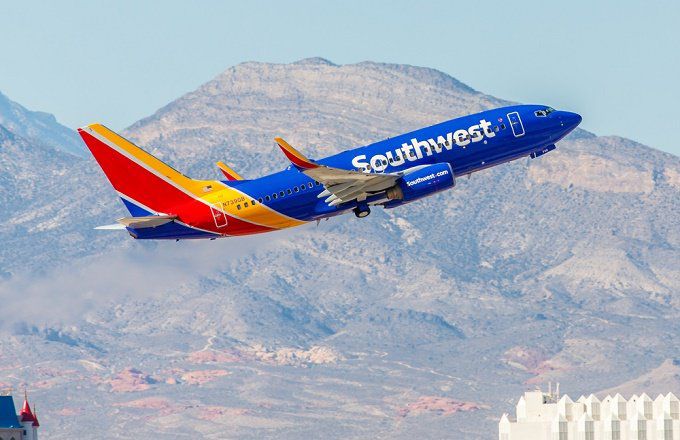
As we have already learned above low-cost carriers or low-cost airlines are airlines that operate with an especially high emphasis on minimizing operating costs and without some of the traditional services and amenities such as meals on board, lounge access, amenity kits, and the on-board seats are not as comfortable and do not have entertainment screens. This results in lower fares and fewer comforts. Low-cost carriers mostly operate a single type of aircraft most popular being the B737.
This has several benefits such as:
- With the single type of aircraft operating across the airline, personnel training becomes significantly simpler and cost-effective for the airline.
- Maintenance costs are significantly lower when the airline operates a single fleet type.
- Carriers that purchase only one aircraft type tend to have a more substantial negotiation power than mixed-fleet carriers. These carriers are usually placing orders for many aircraft from a single manufacturer. That, in and of itself, calls for steep discounts on the order.
- Such a carrier will likely purchase a large stock of spares for its aircraft. Buying spare parts for only one aircraft type allows the airline to place large orders well in advance. Airlines do not have to arrange extensive storage areas to stock up spares for multiple aircraft. This reduces overhead costs associated with storage and handling. Moreover, the airline also saves money on inventory.
- Single-fleet carriers have a more significant opportunity to improve the operational efficiency of their aircraft. Having a single type of aircraft means airport turnaround times are better managed. The ground staff is well accustomed to the tasks they perform regularly. The airline can customize its digital processes, software, and documentation to the specific aircraft type, making the job much easier. The airline also has better control over the fuel efficiency of its aircraft.
➢ REGIONAL AIRLINES

Regional airlines provide passenger air service to communities that lack sufficient demand for major airline services. Regional airlines tend to fly shorter routes with smaller aircraft (generally between 50-80 seats) than major airlines, which usually fly aircraft with 100 or more seats. In the past, some regional airlines were known as “commuter airlines”.
➢ Flag Carriers

A flag carrier airline is an airline that is subsidized or owned by the country in which they are registered. The airline often seeks preferential rights or privileges by the government for international operations.
Flag carriers hold a certain amount of significance in the aviation industry, in terms of both financially and symbolically. Previously, the airlines that were owned by the government were considered great for international trade and national defense. Some passengers will still opt to fly with their national flag carrier for the sense of pride that it gives them when they see the familiar tail of the aircraft on the runway.
➢ CHARTER AIRLINES

A charter flight is an unscheduled flight that is not part of a regular airline routing. With a charter flight, you rent the entire aircraft and can determine departure/arrival locations and times. There are several types of charter flights.
TYPES OF CHARTER SERVICE
1) Private Charter
2) Single Entity
3) Affinity
4) Public Charter