


SOARING EARLY
The Importance of Early Aviation Education for High School Students
In the age of drones, space tourism, and electric aircraft, aviation is no longer just about piloting commercial jets; it’s about innovating the skies. Yet, despite the rapid advancements in aerospace technology, one thing remains constant: the need for highly skilled, passionate aviators.
That journey doesn’t begin in flight school or University, it starts much earlier. For high school students with dreams of taking to the skies, early exposure to aviation education is not just beneficial, it’s essential.
Why start early?
Aviation is a complex, multidisciplinary field that weaves together physics, mathematics, meteorology, engineering, arts, business, law, communication, and decision-making. Introducing students to these concepts in high school allows them to build a solid foundation that can propel them into more advanced studies with confidence and curiosity.
Moreover, early aviation education helps demystify the field. Many students are fascinated by airplanes and space. Still, few understand what becoming a pilot, engineer, Airline manager, or air traffic controller entails, which is the leading contributor to students washing out during training. Programs that introduce aviation in a structured and engaging way give students clarity about career paths, while simultaneously building essential life skills such as leadership, responsibility, and critical thinking.
Cultivating Passion and Professionalism
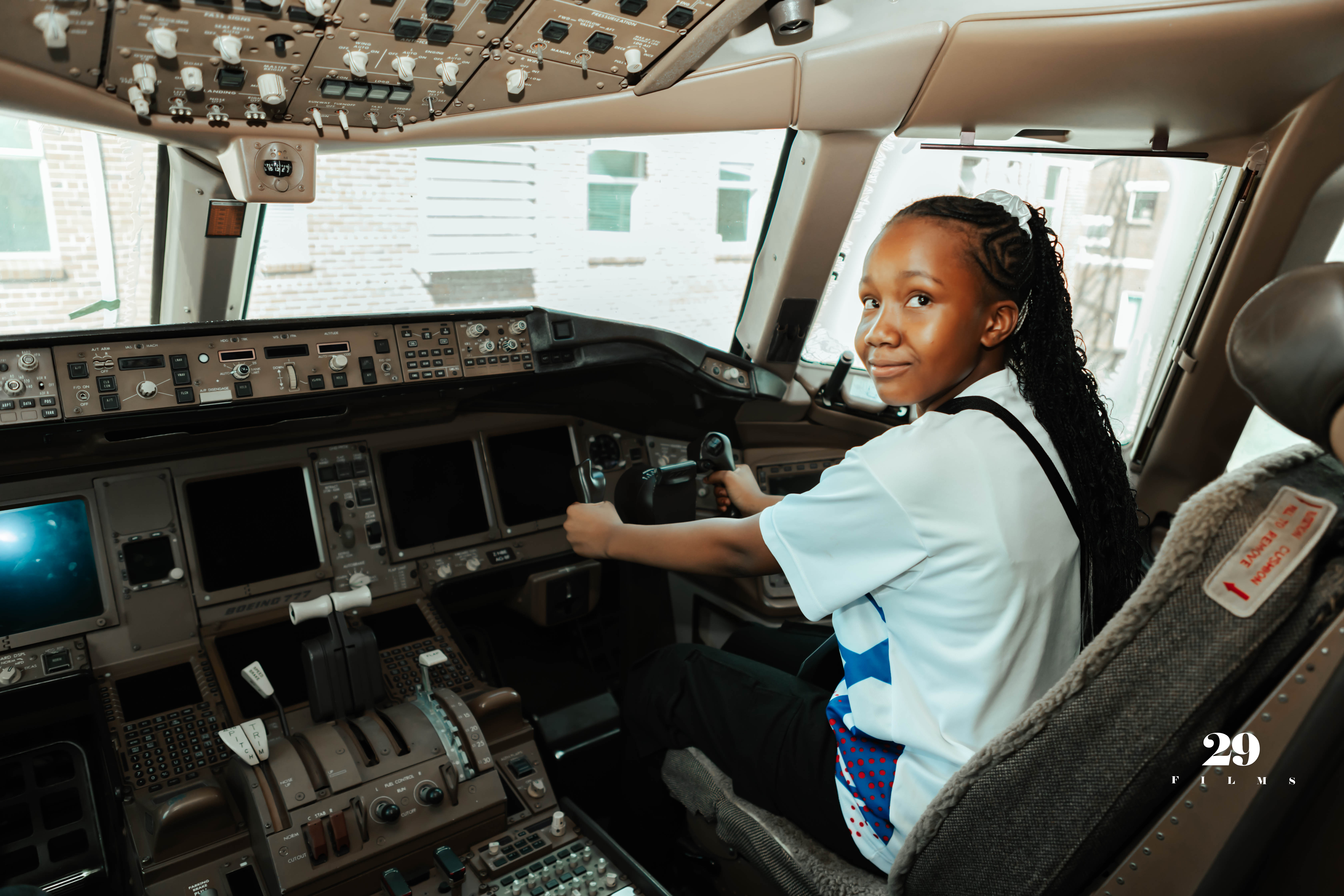
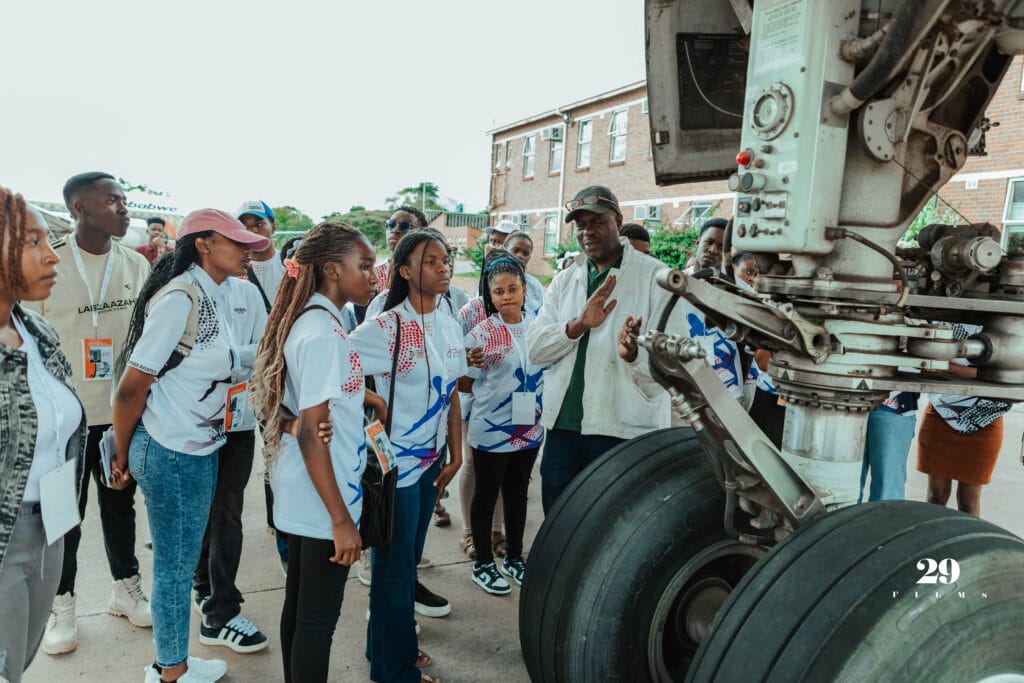
High school is a pivotal time for self-discovery, and aviation programs help channel students’ passion into purposeful action. Programs like the Junior Aviation Certificate program by Flight Wings Aviation serve as launching pads for future aviators. By offering hands-on experience, foundational theory, and
exposure to real-world aviation environments, they bridge the gap between youthful enthusiasm and professional commitment.
The Flight Wings Aviation program, for example, introduces students to core principles of flight, aircraft
systems, aerodynamics, navigation, aviation business and economics, air law fundamentals, aviation history, and even simulator training. This immersive approach not only sparks enthusiasm but also fosters discipline, an essential trait in aviation, where safety, precision, and calm under pressure are paramount.
Competitive Advantage in a Crowded Sky
In today’s competitive aviation landscape, starting early gives students a clear edge. High school graduates with aviation certifications or exposure to industry-standard tools and terminology are better prepared for flight schools, professional aviation training, or aviation-related University degrees. It also demonstrates initiative and a long-term commitment, qualities that scholarship committees and
Aviation academies value highly.
Beyond technical knowledge, early aviation education cultivates a mindset of continuous learning. The aviation industry is one of the most regulated and evolving fields in the world, and those who thrive are individuals who adapt, analyze, and anticipate. Cultivating this mindset in high school prepares students not just for aviation school, but for a lifelong aviation career. Building the Future of Flight Perhaps the most profound reason to invest in early aviation education is its role in shaping the future of the
industry. With a global pilot shortage looming and the aerospace sector expanding rapidly, we need more young people to consider aviation not just as a career, but as a calling.
Programs like the Junior Aviation Certificate aren’t just teaching students about aviation; they’re nurturing the next generation of innovators, problem-solvers, and explorers. By sparking interest and providing early pathways into the industry, these programs ensure that the sky remains not just a limit, but an invitation. For aspiring aviators, high school isn’t too early; it’s the perfect time to begin. With structured programs like the Junior Aviation Certificate by Flight Wings Aviation, students gain the knowledge, experience, and confidence to pursue their dreams. As they take their first steps toward flight, they’re not just preparing for a career; they’re joining a legacy of pioneers who dared to look up and imagine more.
By Ngonidzashe Machaka
Ticharwa Madondo
May 26, 2026Thank you for this